
The complete guide
Outdoor TV Cover Buying Guide, How to Protect a 60 to 65 Inch Screen Outdoors
The problem with leaving a TV outside
An outdoor television looks like a brilliant idea in February when you are planning the deck, and it still looks brilliant the first summer. The trouble starts quietly. Dew settles on the bezel most mornings. Pollen builds up in the vents. A thunderstorm drives water sideways into the port bay at the back. None of it kills the set in one go, but corrosion and grime work slowly, and the first sign is usually a port that stops reading a stick or a speaker that buzzes.
Even TVs rated for outdoor use benefit from being covered between sessions. The rating usually covers water resistance from certain angles, not a full winter of exposure. For a normal indoor TV that someone has mounted under a patio roof, which is what most people actually have, a cover is not optional. It is the difference between a screen that lasts five years and one that lasts eighteen months.
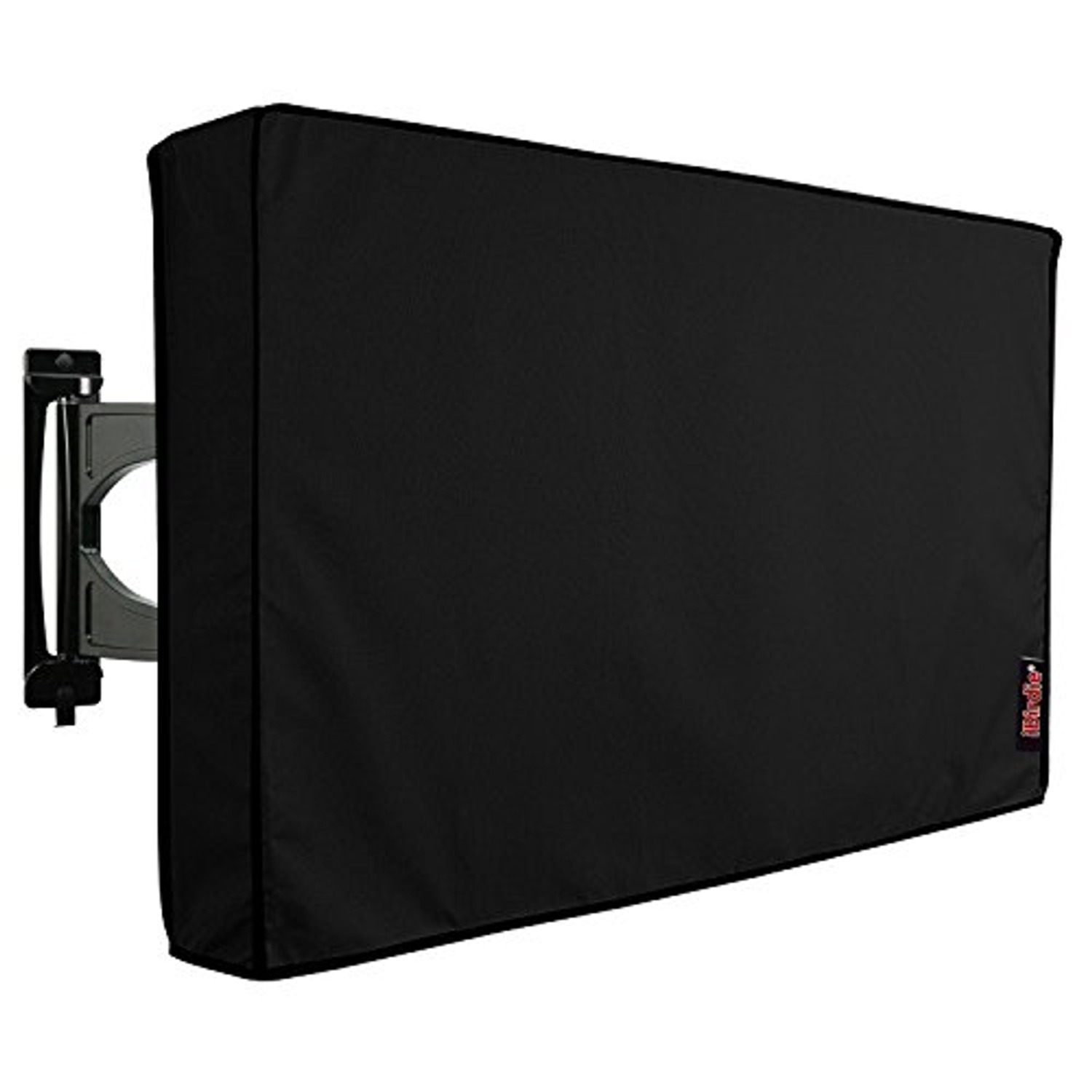
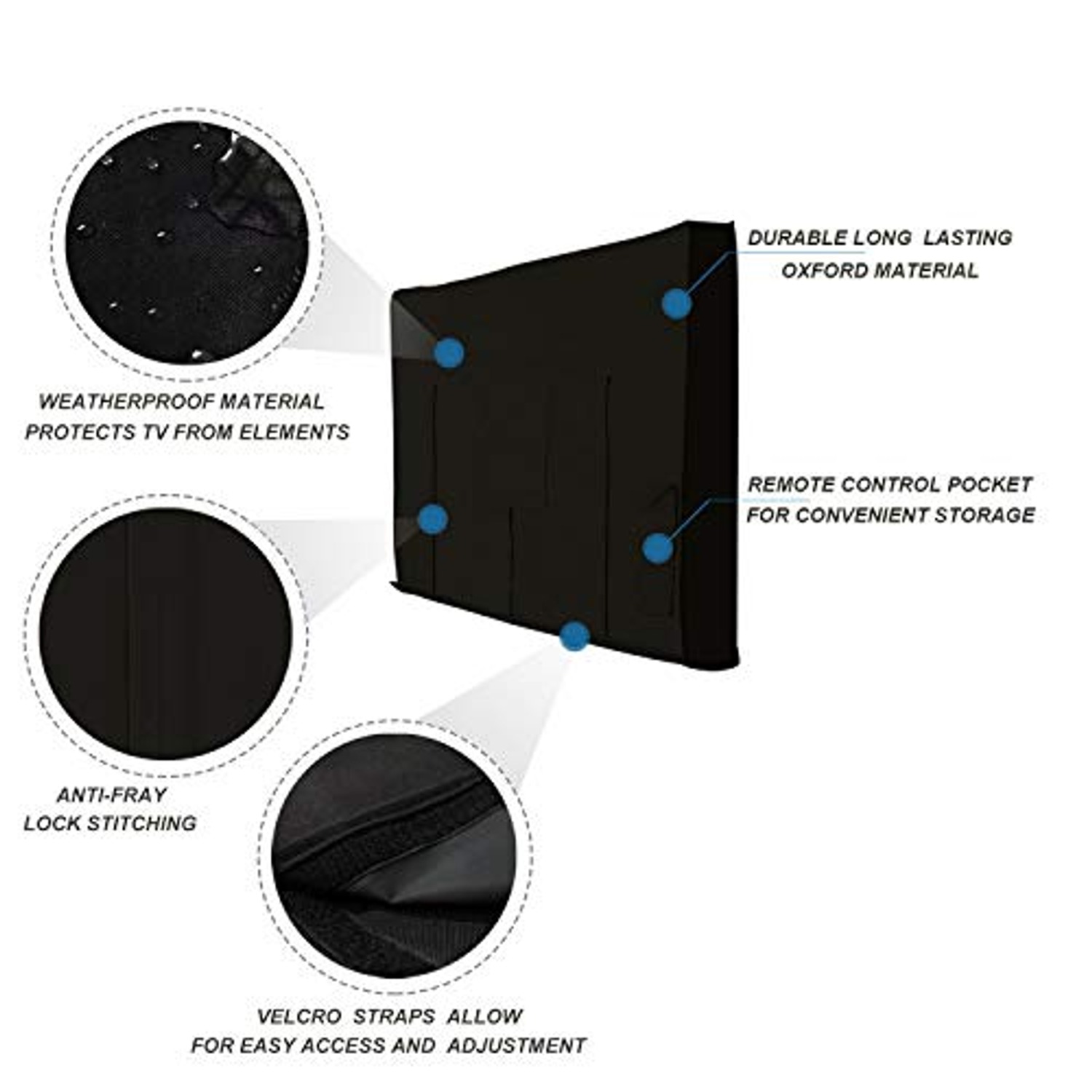
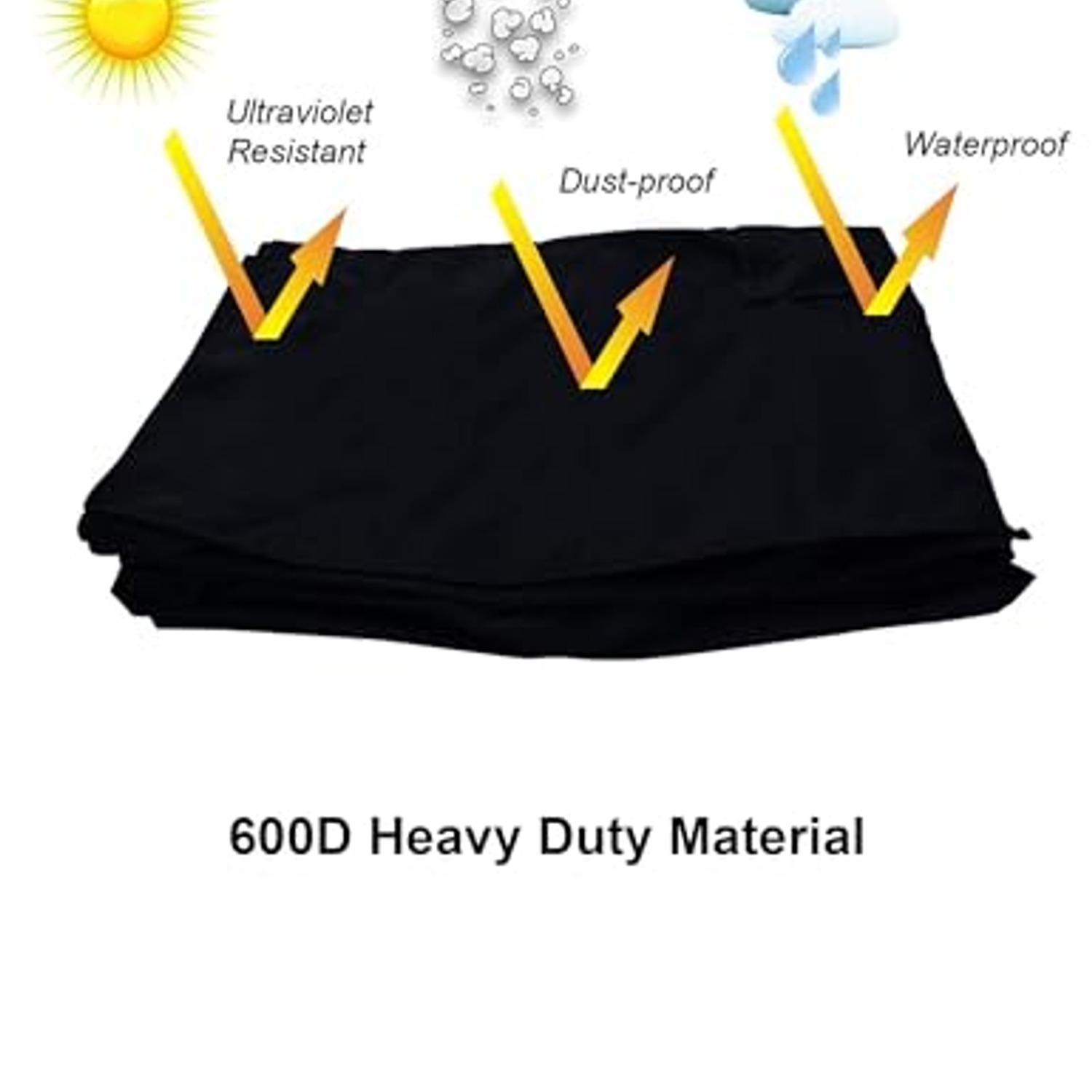
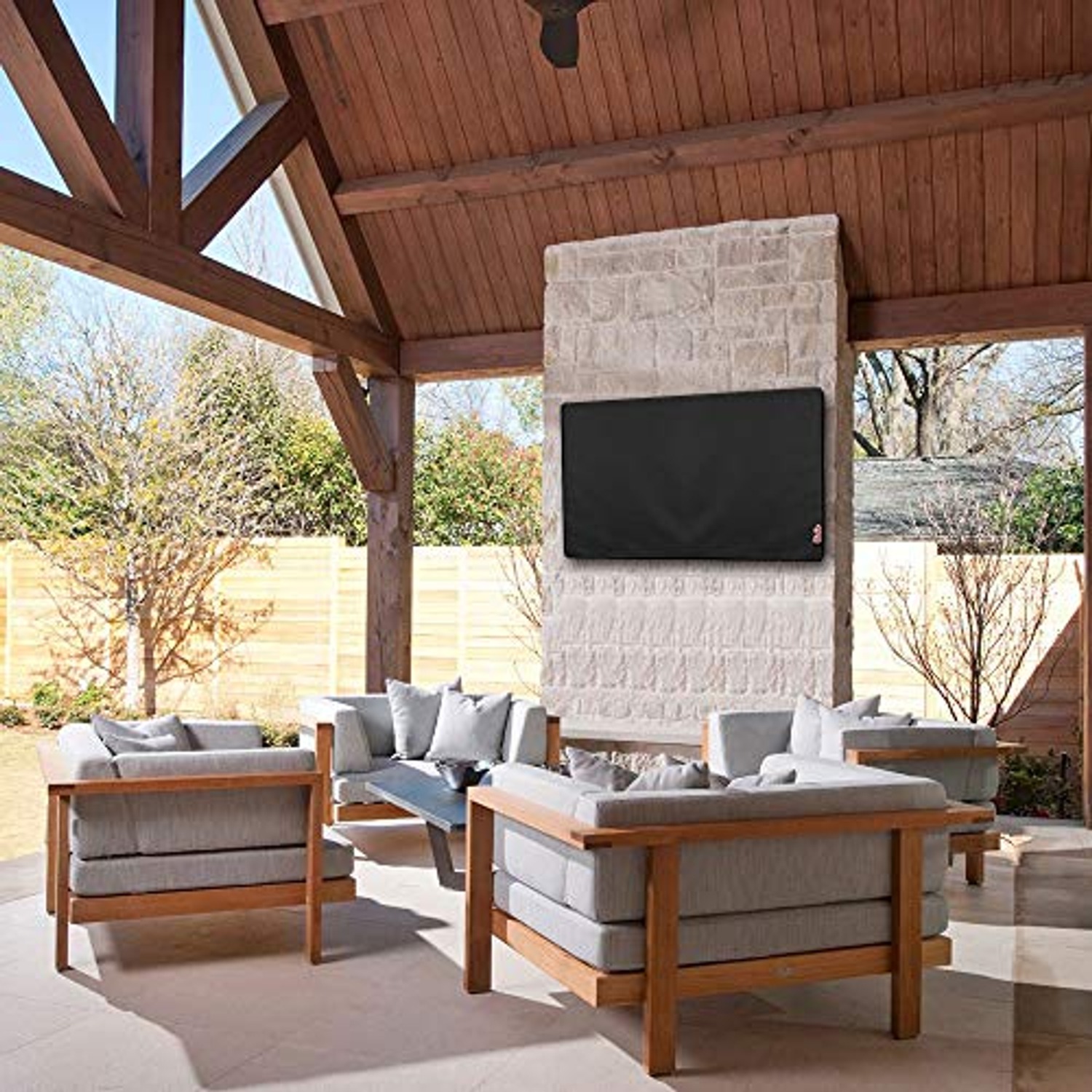
That is the job this cover is built for. It is a weatherproof TV cover for flat screens between 60 and 65 inches, made from 600D Oxford fabric with a waterproof PVC coating on the inside, closed with Velcro straps.
How a cover like this works
There are two layers doing two different jobs. The outer layer is 600D Oxford. Denier measures yarn thickness, and 600D sits in the range used for outdoor bags, awnings and equipment covers. It is heavy enough to resist tearing when a branch scrapes it and stiff enough to hold shape instead of collapsing against the screen.
The inner layer is a PVC coating. That is what stops water passing through the weave. Fabric alone, however tight, will eventually wet through in a long downpour. The coating creates the actual barrier.
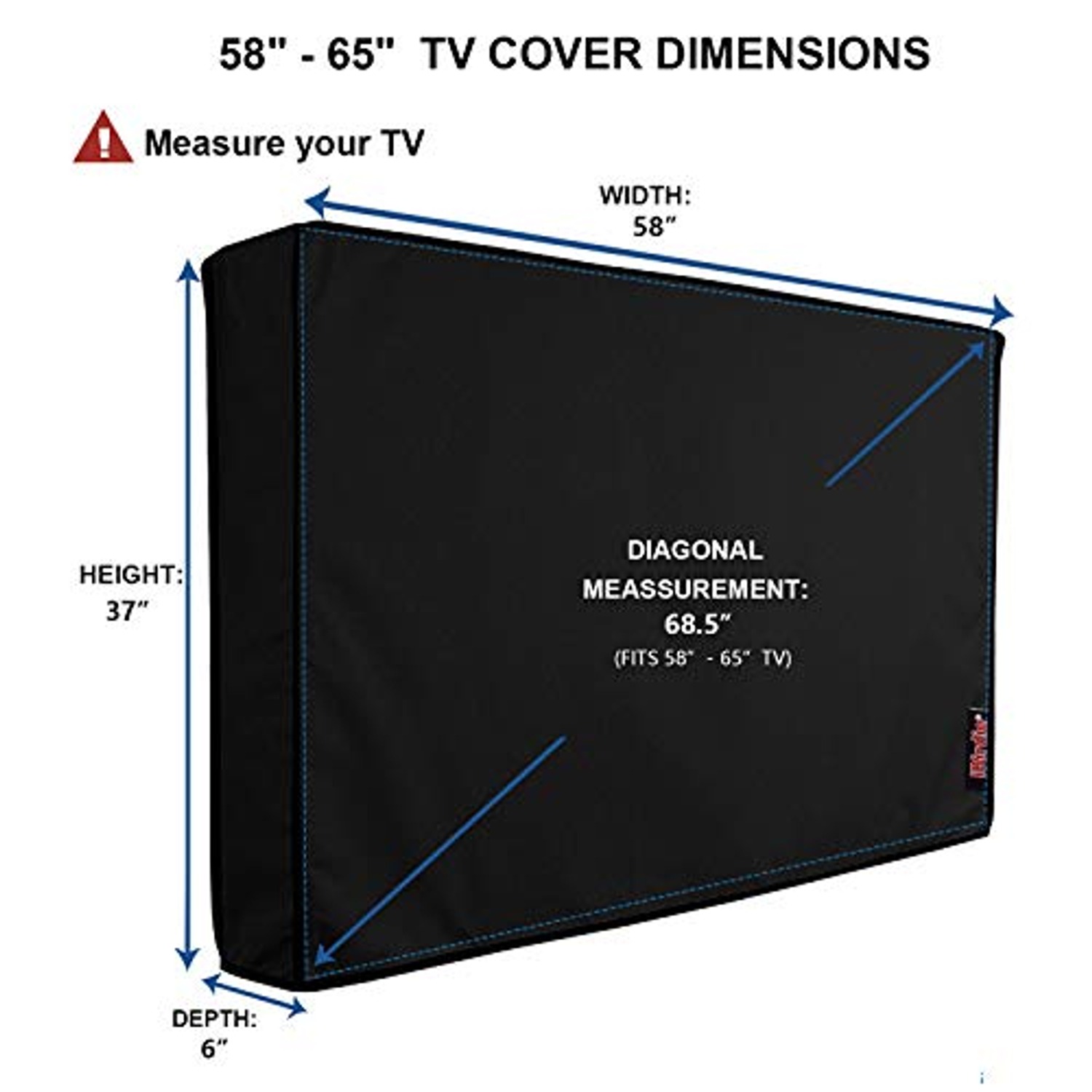
Then there is the design. The cover measures 58 inches wide, 37 inches high and 5 inches deep. That depth is deliberate. A wall-mounted TV sits proud of the wall by a few inches once the bracket is accounted for, and a cover with no depth just stretches tight across the face and leaves the edges exposed. Five inches gives the screen somewhere to sit.
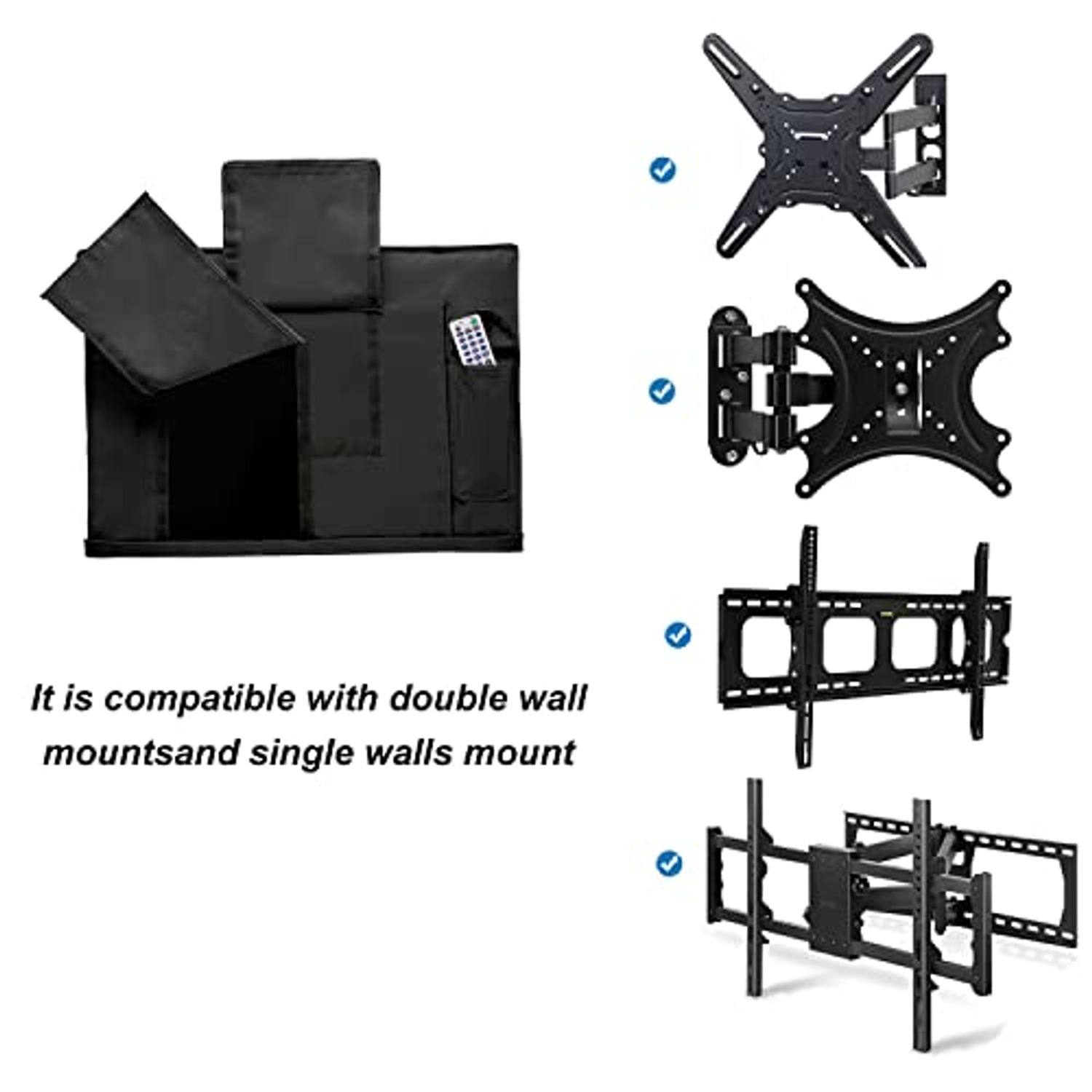
Two details separate this from the cheapest options on the shelf. The first is a back flap that extends down behind the mount, so the bracket and the cable run get cover too. Mounts rust, and a rusty bracket holding 25 kilos of television is not a small problem. The second is the bottom panel, which closes off the underside. Plenty of covers are open at the bottom, which is fine until wind drives rain upward, which it does constantly on an exposed deck.
Velcro straps pull everything snug. This matters more than people expect. A loose cover acts like a sail, and a sail either tears itself or lifts off and ends up in the neighbor's garden.
Who this suits
If you have a flat screen between 60 and 65 inches living on a patio, a covered deck, an outdoor kitchen or a poolside wall, this is aimed at you. It also suits holiday homes and rentals, where a TV can sit untouched for months and come back to dust, damp and insects.
It works for seasonal storage too. People in colder climates often shut the outdoor entertaining area down from autumn to spring. Rather than unmounting the TV and finding somewhere indoors for it, a cover lets it stay where it is.
It is less suitable if your screen is much larger or much smaller than the stated range. A 70 inch screen simply will not go on. A 50 inch screen will go on but will flap. Fit is the whole point.
Measuring properly before you buy
This is where most returns come from, so it is worth two minutes with a tape measure.
Screen size is quoted as a diagonal, corner to corner across the glass. It tells you nothing useful about whether a cover fits, because bezel widths and stand designs differ between models. What you need is the width of the whole TV including the frame, the height including any bottom chin or stand, and the depth from the wall to the front of the screen once it is mounted.
Compare those three numbers to 58 inches wide, 37 inches high and 5 inches deep. All three need to be comfortably under. If your width comes in at 57.5 inches you are fine. If it comes in at 58.5 inches, you are not, no matter what the diagonal says.
Remember to include anything attached. A soundbar mounted below the screen adds height. A streaming box velcroed to the back adds depth. A tilting bracket adds depth too, particularly if the TV sits angled down.
If you are shopping around for the best outdoor tv cover and comparing a few options, use these three measurements as your filter rather than the headline size range. It will save you a lot of guessing.
Fitting and daily use
Fitting takes under a minute once you have done it twice. Slide the cover down over the top of the screen, pull it straight so it sits square, tuck the rear flap behind the mount, bring the bottom panel into place and fasten the Velcro straps.
Never cover a TV that is switched on. Electronics need airflow, and a sealed cover traps heat fast. Switch off, give it a few minutes to cool, then cover.
Do not cover a wet screen either. Trapping moisture against the panel is worse than leaving it uncovered for an hour in the sun. Wipe the screen down or wait for it to dry.
Get into the habit of covering it the moment you finish watching. The covers that fail are the ones that spend half the season folded in a cupboard because putting them on felt like a chore.
Looking after the cover
Care is simple and mostly about not doing the wrong thing.
Wipe it down with a damp cloth and a little mild soap, rinse the soap off and let it air dry completely. Do not put it through a washing machine. Agitation and heat damage coated fabrics, and once the PVC layer cracks the cover is just a fabric sheet. Skip bleach, skip the iron, skip the tumble dryer.
Brush off leaves, grit and bird mess when you see them. Grit is abrasive, and every time wind moves the cover, trapped grit works at the weave like sandpaper.
After heavy rain or snow, check for pooling. Water sitting in a dip adds weight and eventually finds a seam. A quick push from underneath clears it.
For off-season storage, dry it fully and roll it. Folding creates hard creases, and creases are where coatings crack first. Keep it out of direct sun when stored, since UV works on fabric just as hard off the TV as on it.
A note on expectations
A fabric cover is a barrier, not a vault. It keeps rain, dust, pollen, bird mess and sun off a screen that would otherwise take all of it directly. It is not going to turn an indoor TV into an all-weather marine display, and it will not help if the set is sitting somewhere that floods.
Treat it as the thing you do alongside sensible placement. Mount the TV where it gets some shelter. Keep the power connection protected and off the ground. Then cover it between uses, and the set will outlast everyone's expectations.
The iBirdie cover comes with a 1-year warranty, which is worth noting against the throwaway covers that carry none at all.
The short version
If your outdoor screen measures between 60 and 65 inches diagonally, and the actual body fits inside 58 inches wide by 37 inches high by 5 inches deep, this cover does what you need. Heavy 600D Oxford outer, waterproof PVC inner, Velcro straps, a flap for the mount and a closed bottom panel.
Measure first, fasten properly, never cover a warm or wet TV, and clean it by hand. Do those four things and a cheap accessory ends up protecting a far more expensive one for years.